





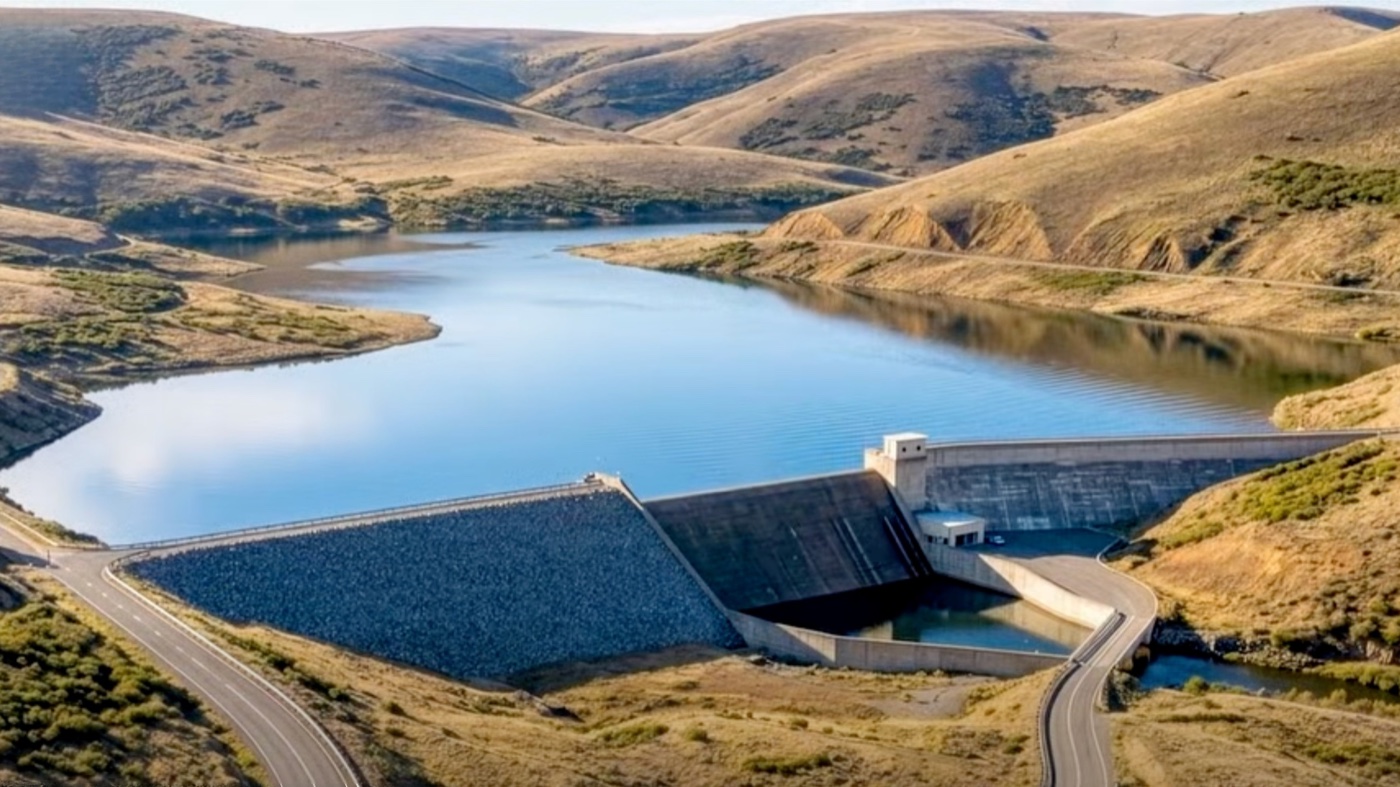
All dams leak. Good engineering is not about pretending seepage does not exist. It is about controlling it, managing the energy behind it and protecting the structure for the generations that will depend on it. At Gabosch Dam, that hidden work happens below the visible structure in the form of a carefully designed grout curtain.
The Gabosch Dam is a complex combination-type structure. Its right flank is a rockfill asphalt core embankment, the centre includes a concrete ogee spillway and the left flank is formed by a conventional concrete gravity dam. Across those different structural forms, one protective measure remains constant: the foundation grout curtain.
The first line of defence
The main purpose of a grout curtain is to reduce seepage through the rock foundation beneath the dam. It works by sealing natural fractures, fissures and voids in the rock mass so that water cannot move freely through the bedrock below the structure.
When reservoir water pushes against the dam, it naturally wants to follow microscopic cracks under the foundation. By blocking those easier pathways, the grout curtain forces water into much smaller and more tortuous routes. That extra resistance strips the water of energy through friction, which reduces uplift pressure and helps prevent the kind of concentrated internal erosion that can threaten long-term stability.
Precision engineering in the foundation
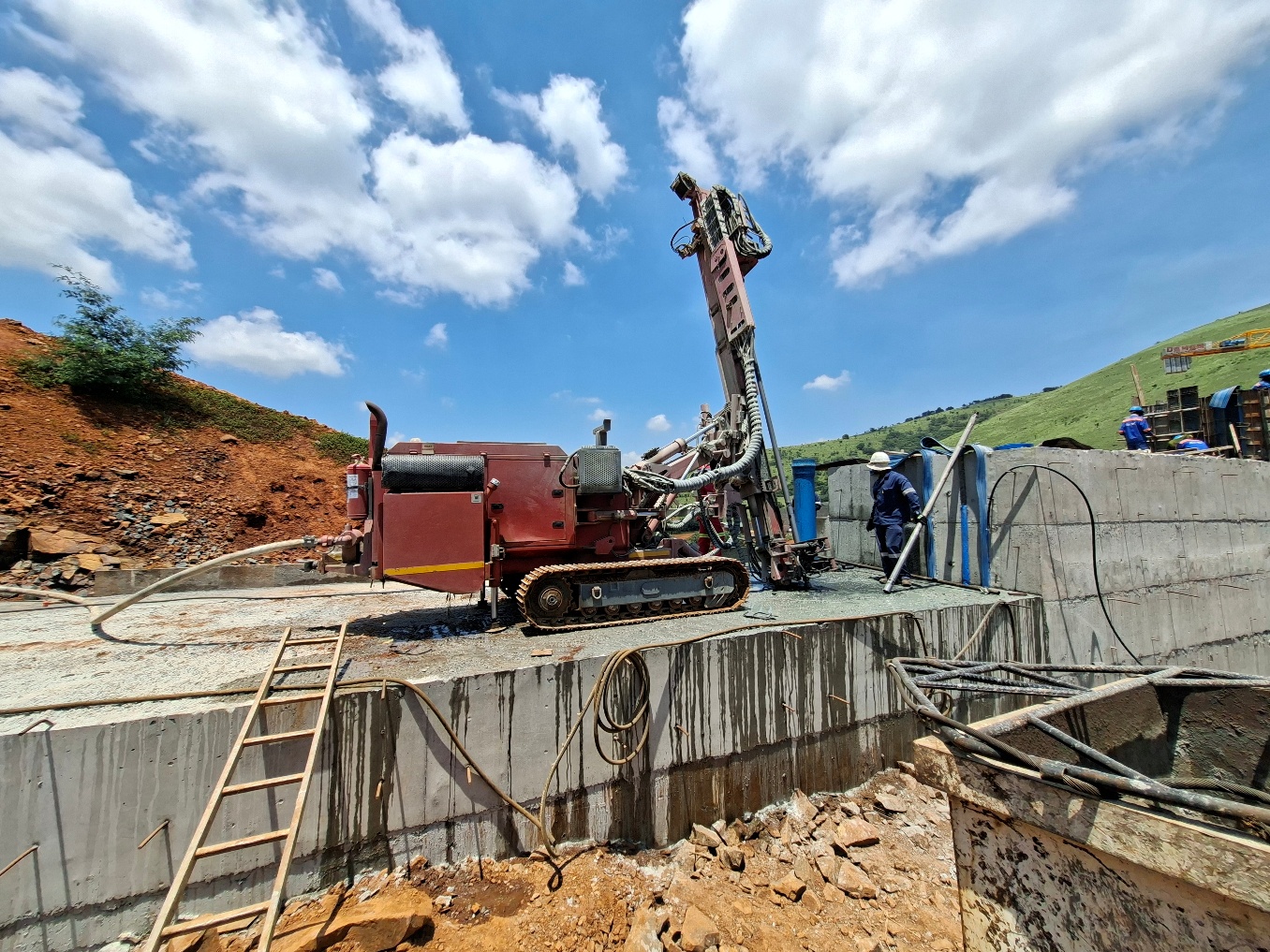
The drilling layout is driven by four main variables: angle, spacing, depth and purpose. Guided by geotechnical foundation mapping, each hole is orientated to intersect as many natural joints and fissures as possible. The inclination is kept constant at 70 degrees to the horizontal, spacing is set at five metres and depth is generally taken to roughly two-thirds of the dam height above the hole.
Each drilled hole is first water-pressure tested in stages. Pressures are stepped up through a defined sequence to identify where fissures are active and whether the rock is absorbing more water than the target tolerance. The performance metric used on site is three Lugeons. If the permeability exceeds that level, the hole is grouted.
Grout pressure is linked directly to the water head that the foundation will ultimately need to resist. On the deepest holes, grout injection pressures reached the equivalent of around an 110 metre head of water, illustrating the magnitude of the forces being managed below the dam wall.
The safety valve and the early warning system
Not every hole requires grout. On a sound rock foundation, many holes test below the threshold and are deliberately left open. Those holes become pressure relief holes, acting as a critical backup system for the life of the structure.
Rather than allowing pressure to build beneath the dam, the relief holes provide a safe route for any water that passes the curtain over time. Their job is to release pressure before it can become problematic. Piezometers then monitor the pressures beneath the foundation continuously, providing an early warning system that confirms whether both the grout curtain and the relief strategy are performing as intended.
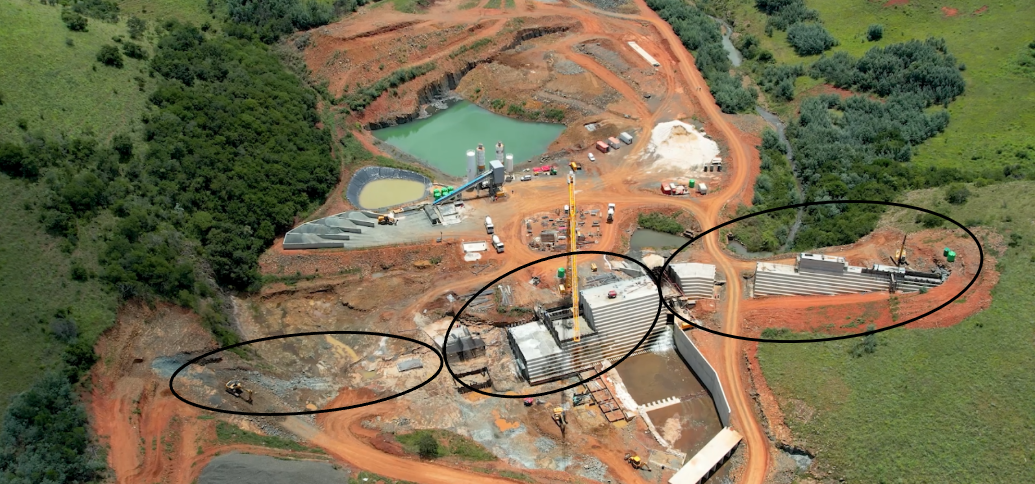
Together, the grout curtain, relief holes and piezometer monitoring system form a quiet but essential layer of infrastructure resilience. It is work most people will never see, but it is exactly the sort of engineering discipline that makes a major dam dependable over the long term.