





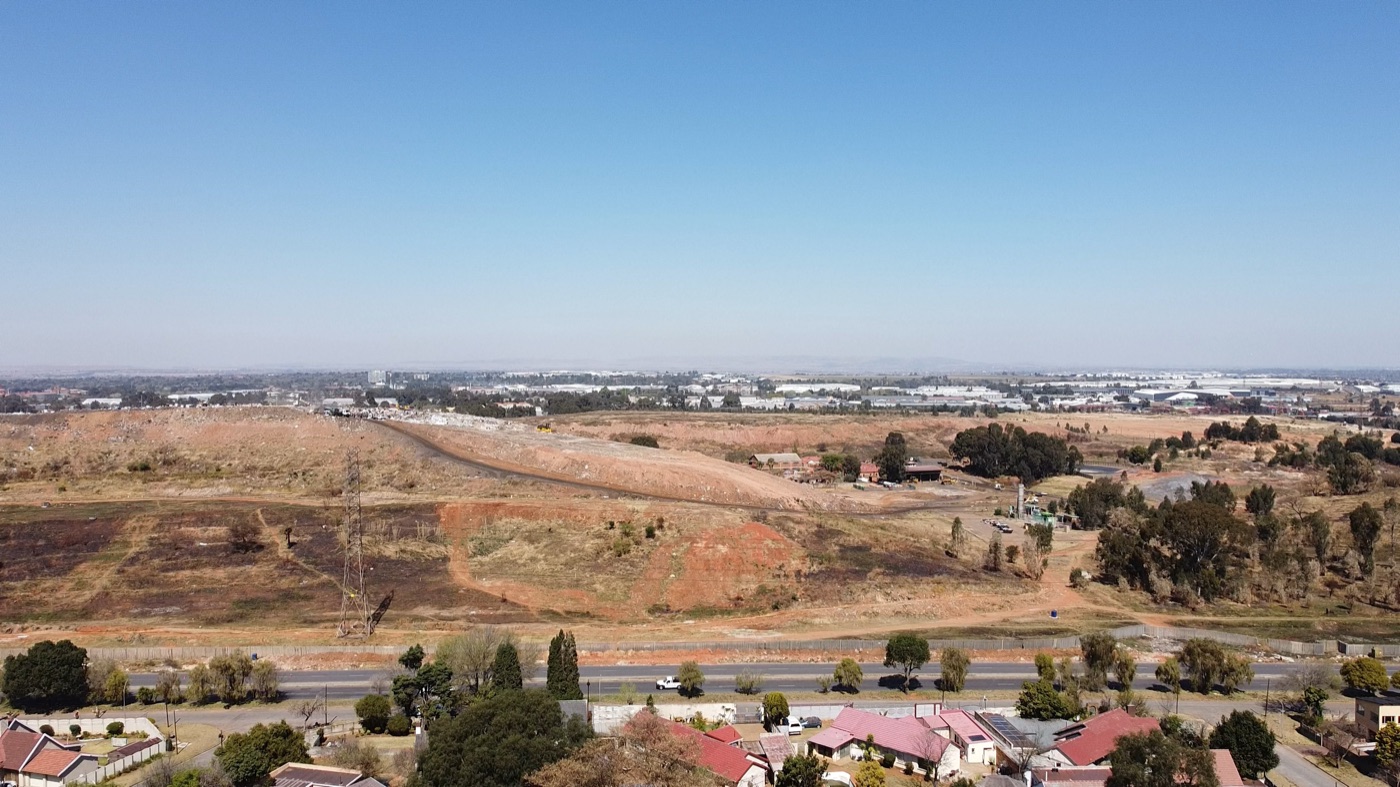
With municipal services, infrastructure is never just binary, but critical indicators of interconnected systems.
Plan, design, implement. In an ideal world, these function ideally, at least on paper. It is when these projects of ours start “living,” coming to fruition, that they become like chalk and cheese.
Do we ever spend enough time to understand the narrative, and create integrated solutions? The jury is still out on that, and perhaps, it is something that we need to get right.
Here is a narrative that may illustrate the challenges related to opening up critical airspace to accommodate solid waste in a Metro. Landfill gas well-heads should be moved, and vandalised infrastructure reconnected to ensure safe handling of landfill gas. This function was already overdue when the project commenced, and the socio-economic challenges of the communities connected to this critical infrastructure upgrade are proving a major obstacle to all stakeholders alike.
The Resident: Service Continuity
Before dawn, a resident steps outside with a warm coffee still lingering in her hands. The horizon is only beginning to blush with colour as she pulls the trash bin to the sidewalk - a small ritual marking the start of a new day. The bin stands ready, like a little soldier awaiting orders.
But by late afternoon, returning home through the chaos of traffic, she finds those same soldiers still standing at attention, untouched, their contents now exposed and awry.
A WhatsApp message from the Ward Councillor explains the disruption: waste collection suspended, landfill sites closed, illegal miners clashing violently, Metro Police trying to restore calm.
She sighs, leaves her bin outside, and hopes tomorrow will be kinder.
The Contractor: Site Security and Materials Loss
Elsewhere, a Contractor sits with a knot in his stomach. His Foreman, a man with a family, and a man he relies on, was nearly caught in the crossfire between illegal miners. The thought of what could have happened haunts him. How would he have faced a widow? What would he have said to the children?
Work is suspended. Security guards patrol the site, though everyone knows they are little more than a thin line between danger and hope. A week passes, and then the Foreman calls, frantic, breathless.
The site was opened, but everything is gone. Pipes laid in trenches, pipes stacked neatly at the office, all stolen in the dead of night. Turns out these are valuable commodities to illegal miners.
The Contractor feels the weight of loss, not just of materials, but of trust, safety, and progress.
Is it simply enough to transfer the risk of security to a Contractor when an Employer is fully aware of his own inability to handle the risk on a day-to-day basis?
Are there sufficient allowances in Bills of Quantities for extraordinary situations playing itself out over construction sites across the country?
Should Panel Tenders make place for Framework Tenders and separate competitive bidding for situations with extraordinary circumstances.
Should Contracts not apply for the duration of a project rather for the set period of a panel, and allow continuity along the project implementation stage?
The Official: Reporting Upward with No Good News
Across town, a municipal official enters a boardroom filled with senior staff and representatives from the Municipal Manager’s office. He cringes inwardly. He is expected to report on progress, but what progress is there to report?
Landfills are overflowing. Operators are squeezing waste into every possible corner. New landfill construction projects are far from complete. These things take time, and time is something the city no longer has. The last remaining airspace should have been opened months ago, but illegal mining factions have turned construction sites into battlegrounds. Infrastructure vandalised. Materials stolen. Contractors threatened.
He takes his seat with a solemn expression. This meeting will be tough.
The Recruit: The Labour Market You are Competing With
And somewhere on the outskirts of the city, a young Recruit celebrates quietly. After months of searching, he finally found a job. He will be collected tomorrow. No taxis, no long walks, no complicated arrangements. It feels like a blessing.
In a nearby house, the Ringleader checks in with his Recruiter. Fresh recruits will arrive tomorrow. New faces. Unburdened. Expendable.
Illegal mining is not for the faint-hearted. It is a world ruled by guns, territory, and desperation. Everything is a turf war - labour, land, minerals, money.
Morning arrives. The Recruiter collects the new Recruits. They climb in eagerly, hopeful, unaware of the danger they are about to inherit. Soon they will understand. Soon. But not now.
What needs to change?
Across the city, bins stand on sidewalks, contractors count losses, officials brace for difficult meetings, and young men unknowingly step into peril. Different lives, different worlds, all touched by the same unseen storm.
A city under strain.
A city trying to function.
A city where ordinary people carry extraordinary burdens.
What needs to change? Until there is a coordinated security response, a real path to formalising artisanal mining instead of only criminalising it, local hiring that competes with what the Recruiter offers, and actual accountability, this is the operating environment our project plans need to account for.