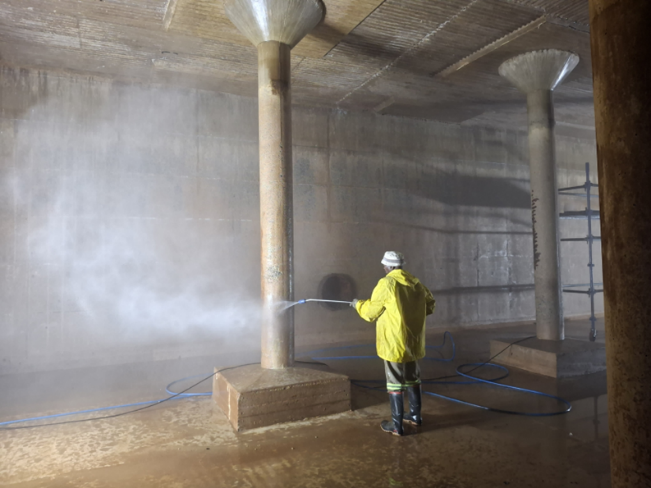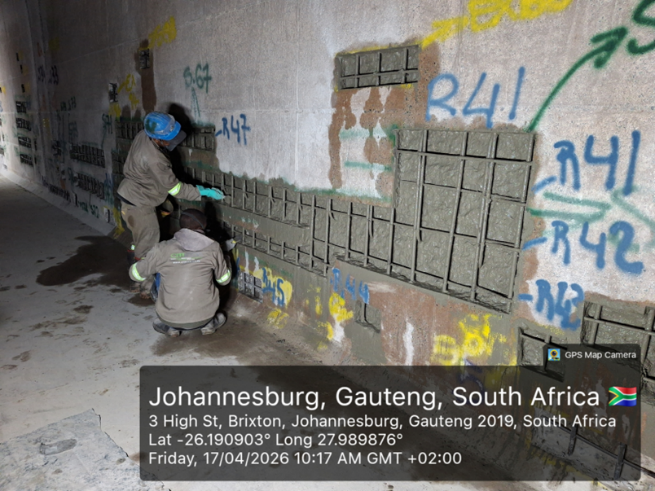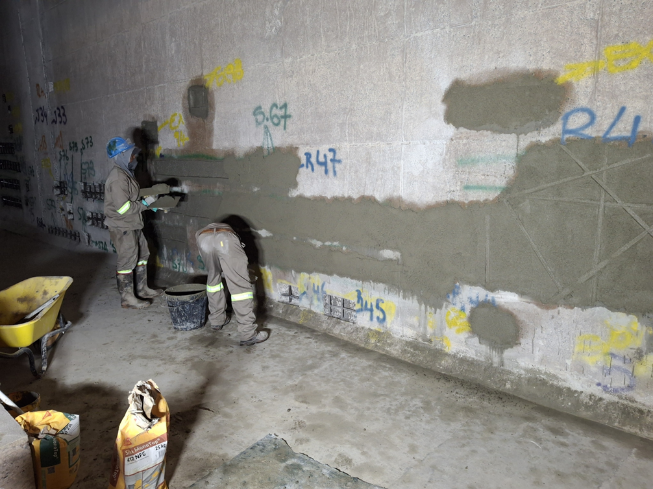





Hursthill Reservoir No. 2 is a critical part of Johannesburg’s water distribution network, supplying potable water to communities including Melville, Greenside, Parkhurst, Auckland Park, Montgomery Park and Parktown. AFI Consult is serving as consulting engineer for the renewal of this ageing 25.5 ML reinforced concrete asset under Contract JW14404F.
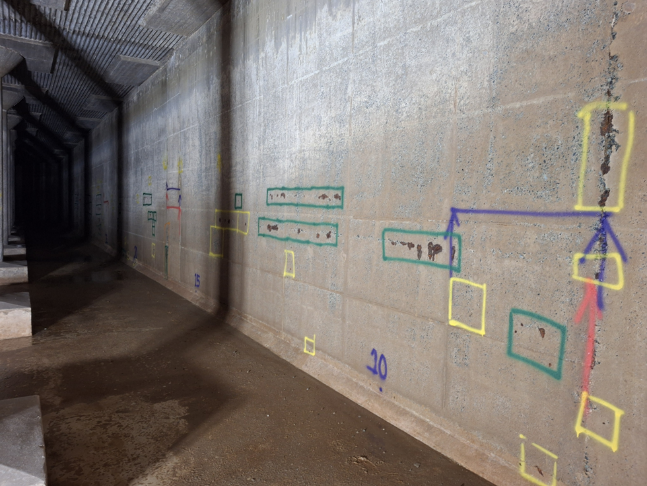
After more than 70 years in service, the reservoir has experienced the kinds of deterioration that often accompany ageing water-retaining infrastructure: reinforcement corrosion, water ingress, concrete degradation and leakage-related losses. The objective of the refurbishment is to restore structural integrity, improve reliability and reduce unaccounted-for water loss while keeping the wider network protected.
Refurbishment scope
The programme includes detailed investigations, remedial design, construction monitoring and technical oversight. The works extend across structural rehabilitation, waterproofing, corrosion protection, mechanical and electrical upgrades, and broader operational improvements.
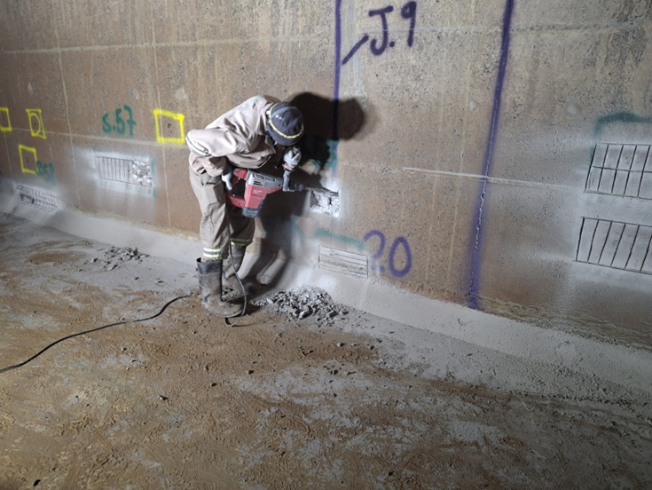
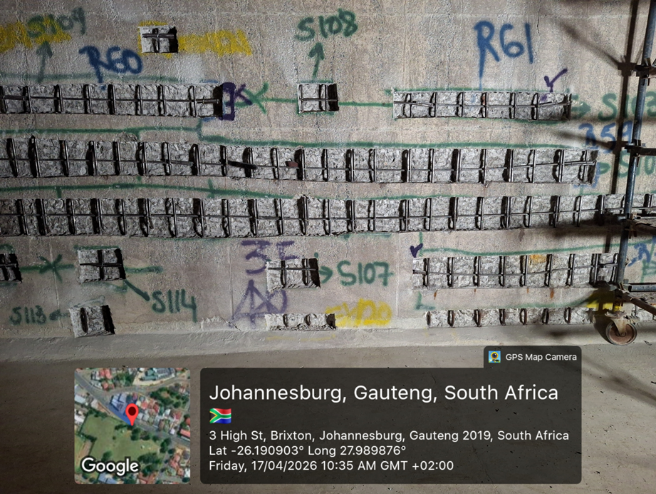
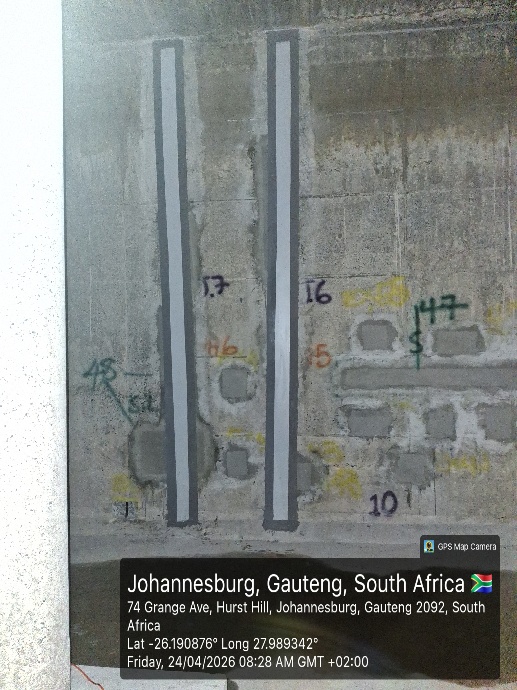
- Removal of deteriorated and delaminated concrete.
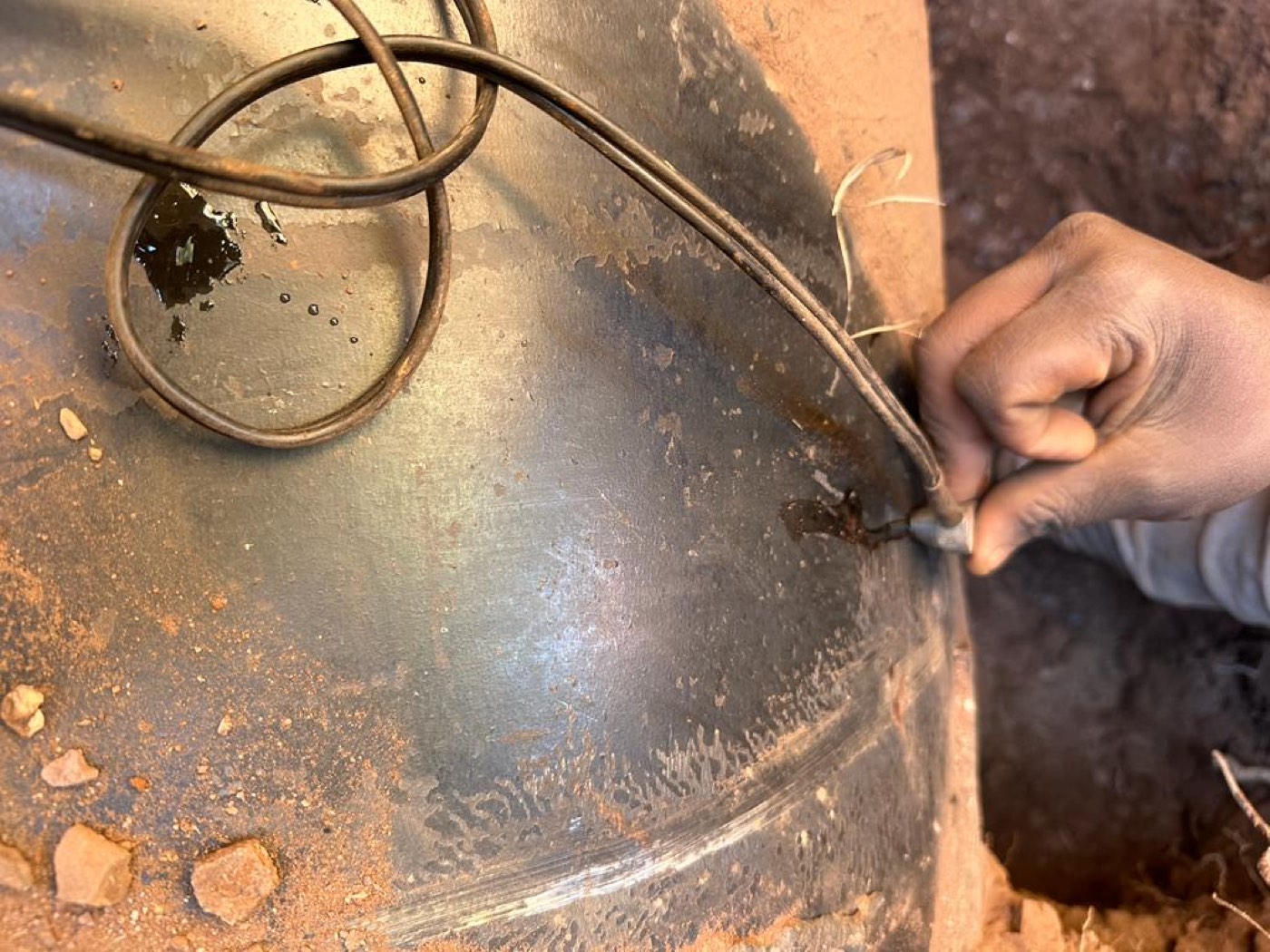
- Exposure and treatment of corroded reinforcement steel.
- Crack injection, sealing and reinstatement with structural repair mortars.
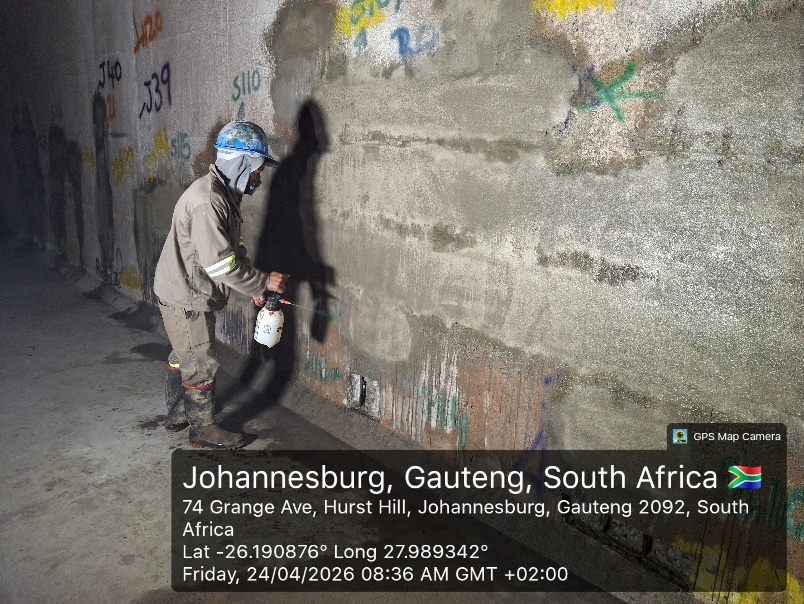
- Application of anti-corrosion systems and cementitious waterproof coatings.
- Pipework lining, replacement of severely deteriorated sections and valve or flowmeter upgrades.
- Rehabilitation of inlet, outlet, bypass, scour, air valve and flowmeter chambers.
- Operational safety improvements including compliant ladders, safety cages, fencing and access control works.
Performance and project success
A key measure of success will be the final drop-test, which will confirm whether water loss from the reservoir falls within acceptable standards for potable water-retaining structures. That performance-based outcome is central to validating the effectiveness of the rehabilitation works.
AFI Consult is also coordinating with the contractor and Johannesburg Water to keep delivery aligned with quality standards, health and safety requirements and the realities of working around a live operational system. The project has to protect service continuity even while complex construction is underway.
Challenges on an ageing live asset
Several engineering challenges have shaped the delivery approach. The absence of dependable as-built information required deeper investigative work. Recurring corrosion in some zones triggered stricter quality control and enhanced surface-preparation methods. In some areas, water ingress was found to originate beyond the internal concrete surface, requiring investigation from the external side of the structure so that remedial works addressed the true cause rather than only the visible symptoms.
Despite those constraints, the renewal is expected to deliver long-term benefits: lower water losses, improved safety, better durability, protection of surrounding infrastructure and extended service life for a vital water-retaining asset.